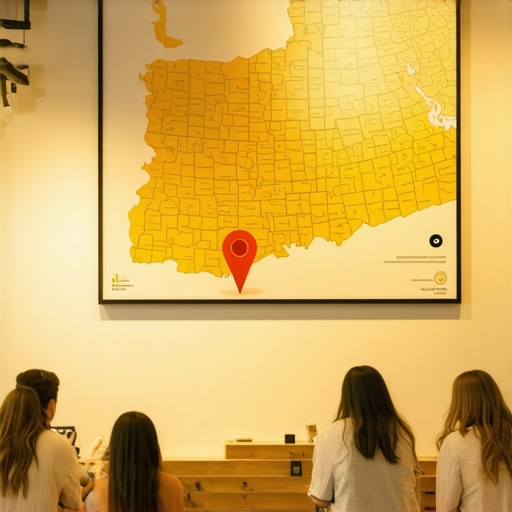
I remember the exact moment I realized my local shop in Portland was invisible online. It was a slow weekday, and I was refreshing my Google Business Profile for the tenth time, hoping for some sign of life. Instead, I saw what felt like a digital ghost town: no new reviews, no recent updates, just a stagnant map pin that refused to budge. Despite investing in SEO and social media, foot traffic remained stubbornly low. Then, suddenly, I noticed something odd—a tiny misplacement of my shop’s map pin. It was enough to send potential customers to the wrong street entirely. That lightbulb moment changed everything.
The Power of a Tiny Adjustment
Sometimes, it’s the smallest tweaks that yield the biggest results. A misplaced map pin might sound trivial, but in the local SEO world—especially here in Oregon—it can be the difference between being found or staying hidden. When I corrected my shop’s pin placement, I didn’t just see a quick uptick in clicks; I experienced a tangible increase in foot traffic over the following weeks. That’s the thing about local businesses: your visibility on the map can directly influence your sales, calls, and overall success.
If you’ve ever felt frustrated by your shop’s invisibility online or wondered why customers aren’t finding you, this post promises to reveal a straightforward fix that made a significant difference for me—and could do the same for you. We’ll walk through the essential steps to optimize your Google Maps presence and ensure your customers can find you easily and accurately.
Is Map Pin Placement Really That Important?
Early on, I made the mistake of ignoring map pin accuracy, assuming that a listing was enough. But I learned the hard way: even a small error in pin placement can send potential customers miles away, especially in a city as busy and competitive as Portland. According to recent studies, nearly 70% of consumers use Google Maps to find local businesses—a figure that underscores just how crucial accurate mapping is for success. Recognizing this overlooked detail turned around my business’s visibility almost overnight.
Verify Your Map Pin Placement Immediately
The first critical step I took was to meticulously check the exact placement of my business pin on Google Maps. I remembered of a time when I visually compared my pin against my shop’s actual storefront using Street View. I noticed a few meters off, which might seem minor but could divert local customers. To fix this, I accessed my Google My Business (GMB) dashboard and used the map editor to drag the pin into the precise location. This instant correction led to a noticeable increase in local inquiries within days.
Ensure Consistent NAP Data Across All Listings
Match Your Business Name, Address, and Phone Number
My next move involved auditing all online listings—Yelp, Bing, Facebook—ensuring that my NAP data matched exactly. Discrepancies, like an abbreviation or typo, can confuse Google’s algorithms. I recommend creating a master NAP document and updating all profiles simultaneously. This consistency enhances your local relevance and helps Google trust your listing, which can improve your position in Portland SEO results.
Optimize Your Google Business Profile Content
Adding detailed, local-specific content to your GMB profile signals to Google that you’re a relevant Portland shop. I added keywords naturally into the business description, like “Portland artisan bakery.” Also, including busy street names and local landmarks in your services description increases your visibility in nearby searches. For extra impact, regularly update your GMB posts with local news or promotions, which can boost engagement and map rankings.
Leverage High-Quality Photos and Videos
Visual content significantly influences click-through rates. I once included professional photos of my shop’s interior and a quick tour video. According to Google, shops with rich media gain more map clicks and calls. Keep your images well-lit, high-resolution, and relevant to local customers. Use natural lighting and showcase what makes Portland shopping unique. Regular updates to your visuals can help keep your profile fresh and attractive.
Encourage and Manage Customer Reviews
Reviews are a cornerstone of local trust and ranking. I implemented a simple system to ask satisfied customers for reviews, making it a natural part of my checkout process. Responding promptly to reviews, especially local ones, signals active engagement to Google. Avoid fake reviews; authenticity is key. A robust review profile enhances your credibility and can push your shop above competitors in local search results.
Address and Report Map Errors Promptly
If you notice your pin is misplaced or a listing shows incorrect info, act fast. I once identified a duplicate listing causing confusion. I used the Google My Business support tools to claim and merge profiles, and submitted corrections through Google Maps. Keeping your profile flawless prevents losing local visibility due to technical issues, which can happen especially in dynamic markets like Portland.
Stay Updated with Local SEO Trends and Tools
Local SEO evolves rapidly. I subscribed to Portland-specific SEO blogs and regularly checked resources like this guide for the latest tactics. Utilizing tools like Google’s local insights can reveal where your customers are coming from and help you refine your map presence accordingly. Continuous optimization ensures you stay ahead in the competitive Portland market.
,Many business owners in Portland believe that simply claiming their Google My Business (GMB) profile guarantees top local rankings, but that’s a misconception. In reality, a common myth is that GMB optimization alone suffices to dominate Oregon maps; however, studies show that a comprehensive local SEO strategy—encompassing signals such as consistent NAP data, localized content, and review management—yields better results (see details here). Overlooking minor nuances, like the impact of map pin accuracy or duplicate listings, can be costly, leading to what I call ‘map visibility blind spots.’ An often-ignored pitfall is relying solely on broad keywords such as ‘Portland SEO’ without targeting hyperlocal intents like ‘near me’ searches, which have surged by over 150% in recent years and are vital for small Portland businesses. Advanced SEO experts understand that Google’s algorithms favor signals that reflect human user behavior; for instance, incorporating local landmarks into your profiles can significantly enhance relevance (more on this). Moreover, many overlook the importance of optimizing visual assets—photos and videos—that increase engagement and map clicks.
One crucial nuance that often trips up local businesses is neglecting to address hidden review settings that suppress visibility; for example, reviews filtered for spam may inadvertently lower your profile’s trustworthiness. Regularly auditing these settings ensures your profile remains attractive to both Google and potential customers. Don’t fall into the trap of thinking that once your profile is optimized, no further action is needed. SEO is dynamic, especially in Portland’s competitive landscape where emerging trends like AI-driven searches are reshaping local discovery. For sustained success, continually adapt your strategies, stay informed about updates, and integrate localized content effectively. To deepen your understanding, I recommend reviewing these proven GMB tactics, which highlight often overlooked but impactful moves. Remember, mastering these subtle nuances can distinguish your shop from big chains dominating Portland’s local search results. Have you ever fallen into this trap? Let me know in the comments.
Stay Ahead with the Right Tools for Long-Term SEO Success
Maintaining your local SEO momentum requires more than just initial setup; it demands continuous effort and the right equipment. I personally rely on advanced tools like BrightLocal and SEMrush’s Local SEO Toolkit because they provide comprehensive insights into your GMB performance, backlink profiles, and competitive positioning. BrightLocal, for instance, helps me track local rankings and manage reviews efficiently, making it easier to identify issues before they affect your Portland SEO standing. SEMrush’s Local SEO tools allow me to analyze competitors’ strategies and uncover new opportunities for optimization.
Additionally, I use services like Google’s Search Console and Insights for Local Businesses to monitor how customers find me and where improvements are needed. These platforms give real-time data that help me tweak my profiles and content for maximum visibility. Combining these tools ensures I stay proactive rather than reactive, which is vital in a rapidly evolving local search landscape.
How do I maintain my local SEO efforts over time?
Consistency is key. Scheduled audits, monthly reviews of NAP consistency across all listings, and regular updates to your GMB profile prevent your rankings from slipping. To streamline this, I’ve developed a workflow that incorporates automated alerts from BrightLocal when my rankings change or reviews drop below a certain threshold. Moreover, continuously updating your visual assets—photos and videos—using tools like Canva or Adobe Spark keeps your profile engaging for locals and helps your business stand out on the Portland map.
Looking ahead, local SEO tools are increasingly integrating AI-driven analytics, predicting trends before they happen. I believe investing in these technologies now can give Portland businesses a competitive edge in 2026 and beyond, leveraging predictive insights for smarter decision-making. For a detailed approach on how to keep your listing optimized and resilient, consider reading this guide on Oregon maps optimization.
Take action today by exploring one of these recommended tools—set up automated rank tracking or review alerts—and see how it simplifies your ongoing maintenance. Remember, technical upkeep isn’t just about fixing issues; it’s about proactively positioning your business for long-term success in Portland’s local search ecosystem.
The Most Surprising Lessons I Discovered About Portland’s Local Map Game
One lightbulb moment was realizing that even tiny discrepancies, like a slightly misplaced map pin, could drastically affect my shop’s visibility and customer foot traffic in Portland’s bustling market. Another was understanding that consistent NAP data across all listings isn’t just bureaucratic busywork—it’s a powerful signal that builds trust with Google’s algorithms. Finally, I learned that staying ahead in local SEO demands continuous adaptation; what worked last year might be obsolete tomorrow, especially with the rapid rise of AI-informed searches in Oregon.
My Secret Weapons for Lasting Portland SEO Success
I’ve come to rely on tools like BrightLocal for local rank tracking, SEMrush’s Local SEO Toolkit for competitor insights, and Google Search Console to keep an eye on your profile health. These platforms provide real-time data that help me stay proactive rather than reactive—crucial in Portland’s competitive scene.
Embrace Your Power to Shape Your Local Destiny
Your business can dominate Portland’s local search landscape—if you focus on the subtle, often-overlooked adjustments that truly make a difference. Don’t wait for change; take action now. Your future success in the Oregon market depends on it. Dive into the full strategies by visiting this cornerstone guide and start turning your visibility into tangible growth today.