I remember the exact moment I realized my Portland restaurant wasn’t showing up correctly on mobile search. I was desperate, scrolling through local maps, and my heart sank when I saw competitors outranking me despite my efforts. It felt like I’d been invisible to hundreds of potential customers right in my own city. That lightbulb moment was a wake-up call—I knew I had to dig deeper into why my business info was showing up wrong and how I could fix it.
Why Your Portland Business Listings Are Messing With Your Success
Local search visibility, especially on mobile devices, isn’t just about having a Google My Business profile—it’s about ensuring every detail is correct and optimized. When your business info shows up wrong, you miss out on foot traffic, calls, and ultimately sales. This isn’t just inconvenient; it directly impacts your bottom line. Plus, search engines are now smarter than ever, prioritizing recent, accurate, and consistent information. According to Moz, inconsistent listings can significantly harm local rankings, discouraging potential customers from choosing your business.
Have You Faced This Problem Before?
If you’ve ever found your business’s address, phone number, or hours incorrect on Google Maps or search, you’re not alone. I went through it myself—mistakes that seemed small at first but had big consequences. Early on, I made the mistake of uploading outdated photos and neglecting to verify my profile, which only compounded the problem. That experience taught me that fixing these issues requires more than just an update; it demands a strategic approach.
In this guide, I’ll walk you through the practical steps to troubleshoot and correct your Portland business info on mobile search. Whether it’s maps, reviews, or profile verification, these tactics will help you reclaim your visibility and attract more local customers. Ready to turn your digital presence into a powerful asset? Let’s get started.
Ensure Your Google Profile Is Verified and Up-to-Date
Start by claiming your Google My Business (GMB) profile if you haven’t already. Verification is crucial; it acts like a digital handshake confirming your business is legitimate. I once skipped this step and faced delayed updates, which hurt my rankings. To verify, request postcard verification and follow Google’s instructions carefully. Remember, a verified profile boosts your credibility and local visibility. For detailed steps, visit this guide.
Check and Correct NAP Consistency Across All Platforms
NAP stands for Name, Address, and Phone Number. Inconsistencies here are like marketing noise—confusing Google and potential customers alike. I discovered that my listings on Yelp and Facebook mismatched my GMB info, causing ranking drops. Use a spreadsheet to record all your listings and cross-verify each detail. Update any discrepancies immediately. For advanced tips, see this article.
Optimize Your Business Description and Categories
Choose categories that accurately reflect your services; generic categories dilute your SEO efforts. Write a compelling description filled with local keywords like “Portland pizza restaurant” or “Oregon craft brewery.” I tested different descriptions, and clear, targeted keywords increased my visibility on mobile searches. Incorporate keywords naturally, avoiding keyword stuffing. For insight into category selection, check this resource.
Add Accurate and Engaging Photos
Photos influence click-through rates and customer trust. Use high-resolution, well-lit images of your storefront, interior, products, and staff. I learned that updates to photos led to immediate improvements in profile engagement. Ensure your images meet Google’s guidelines: no stock photos, avoid watermarks, and showcase real business aspects. For tips on visual optimization, refer to this article. 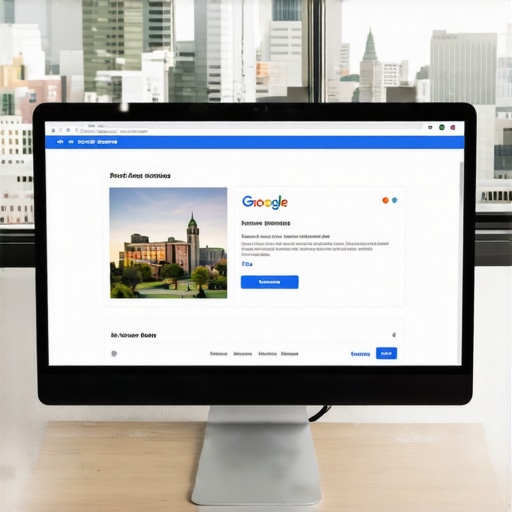
Leverage Local Keywords Without Overstuff
Embedding city-specific keywords like “Portland” or neighborhoods within your profile and website enhances local relevance. I added phrases like “serving Southeast Portland” into my business description and observed a rise in local map clicks. Balance keyword usage to avoid penalties—write for humans, not just algorithms. Review this guide for detailed keyword tactics.
Gather and Respond to Customer Reviews
Reviews are social proof, influencing rankings and conversions. Encourage satisfied customers to leave positive feedback, making the process simple. I personally followed up with clients via email, which increased my review count and improved my star ratings. Always respond professionally to reviews, addressing concerns publicly. For strategies on review management, visit this article.
Utilize Local Business Schema Markup
Schema markup tells search engines specific details about your business, like location, hours, and services. Implementing structured data can enhance your map pack appearance. I added schema code to my site, resulting in more prominent listings. Use Google’s Rich Results Test to validate your markup. For implementation tips, see this resource.
Many business owners in Portland believe that simply claiming and verifying their Google My Business (GMB) listing guarantees top local rankings. While verification is essential, assuming it’s a silver bullet often leads to overlooked nuances that can make or break your visibility. In my experience, the real challenge lies in understanding how Google evaluates your entire online presence, including subtle signals like local backlinks, schema markup, and review behaviors, which many underestimate. A common myth is that consistent NAP (Name, Address, Phone Number) info across all platforms alone ensures you won’t lose rankings—yet, neglecting a comprehensive approach that integrates content optimization, photo quality, and review management can be your undoing.
Why Do Advanced SEO Strategies Matter in Portland’s Competitive Market?
Implementing layered tactics like schema markup, social proof, and localized content provides a significant edge and aligns with Google’s algorithm shifts. Experts like Moz emphasize that granular optimization of small factors cumulatively leads to higher map pack visibility, especially in a city like Portland, where local searches are saturated. Failing to adapt to these nuances may cause your profile to stagnate or disappear behind competitors, despite having an established GMB profile. Want to find out how to implement these insider strategies? Visit this comprehensive guide to elevate your local presence. Be cautious of the trap that many miss: focusing solely on Google My Business without addressing website signals and review engagement can result in a false sense of security. Remember, Google’s algorithm continually evolves, and what worked last year may not suffice for 2026’s search landscape. For ongoing insights and tailored tactics, consider reaching out through my consultation page. Stay vigilant, and keep testing advanced strategies to stay ahead in Portland’s bustling local SEO scene. Have you ever fallen into this trap? Let me know in the comments.Maintaining your local SEO momentum requires the right tools, consistent effort, and strategic adjustments over time. I rely heavily on specific software that streamlines this process rather than guessing or manual updates. For example, BrightLocal offers an all-in-one dashboard that tracks your NAP consistency, reviews, rankings, and citations in real-time, making it easier to spot discrepancies before they impact your Portland maps rankings. I personally set weekly alerts to monitor sudden jumps or drops, ensuring I address issues proactively instead of reactively. Another essential is Google’s own Business Profile Manager, which I use daily to verify new reviews, update photos, and respond promptly—these small actions reinforce your profile’s credibility and visibility. For ongoing content tweaking, SEMrush’s local SEO toolkit provides valuable insights into keyword fluctuations and competitor moves, helping me adapt my strategy swiftly. Looking ahead, as AI continues to evolve, tools that automate regular audits and offer predictive insights will become even more invaluable, reducing manual workload while increasing accuracy. To stay ahead, I recommend integrating these tools into your routine and scheduling quarterly reviews to refine your Portland SEO efforts, especially on Google Maps, where recent updates increasingly favor active engagement and accurate data. Want to make this even easier? Start by setting up alerts in BrightLocal and see how proactively managing your citations can stabilize and boost your rankings. Want personalized guidance? Reach out via my contact page to craft a tailored maintenance plan. Remember, consistent monitoring and fine-tuning are key to long-term success in Portland’s competitive local landscape. For more advanced tips on maps optimization, explore this resource.
Lessons That Changed My Approach to Portland SEO
One of the most eye-opening realizations I had was that even subtle inconsistencies—like a small typo in my business address or an outdated photo—could significantly impact my visibility. I learned that these tiny details aren’t so tiny after all—they’re the foundation of how Google judges your credibility. Another lightbulb moment was discovering how local reviews, often overlooked, serve as powerful social proof that can elevate or sink your rankings. Lastly, I understood that ongoing monitoring and adjusting your local SEO strategies are vital; what worked last year might not cut it today, especially with Google’s frequent updates.
Tools That Keep My Portland Business Visible
I rely heavily on BrightLocal for real-time citation and review tracking—it helps me catch discrepancies before they hurt my rankings. Google’s Business Profile Manager is essential for quick review responses and photo updates, keeping my profile active and credible. SEMrush’s local SEO toolkit provides insights into keyword shifts and competitor movements, guiding my strategy adjustments. For comprehensive audits, I often consult Moz’s local search resources—they offer timeless, actionable advice that adapts well over time. These tools have become my trusted partners in navigating Portland’s competitive local landscape.
Keep Going, Portland Heroes
Remember, mastering local SEO on Google Maps isn’t a one-and-done task; it’s a continuous journey. With dedication, strategic use of tools, and attention to detail, your Portland shop can stand out amidst the crowded streets. Your efforts in refining your business info and engaging authentically with customers will pay dividends over time. Don’t wait for the next algorithm change—start today, adjust along the way, and watch your visibility grow.
!Have you faced surprises in your local SEO journey? Share your experiences below, and let’s learn from each other!