![4 Oregon Maps Optimization Tactics to Claim Local Traffic [2026]](https://portlandlocalseo.com/wp-content/uploads/2026/04/4-Oregon-Maps-Optimization-Tactics-to-Claim-Local-Traffic-2026.jpeg)
I remember it vividly—a chilly Portland morning, half-asleep, staring at my laptop screen, desperately hoping for a notification that would bring in new local customers. Instead, all I got was silence. My shop was beautifully curated, my services top-notch, yet my online presence felt invisible, lost in a sea of competitors. That frustrating realization hit me hard: I had overlooked a crucial piece of the local SEO puzzle, especially when it came to Google Maps and Portland-specific search rankings.
Why Portland Businesses Can’t Afford to Ignore Maps Optimization in 2026
In the fast-evolving world of local search, especially here in Portland, Oregon, understanding how to claim and optimize your Google Maps profile can mean the difference between thriving or vanishing into obscurity. I’ve learned firsthand that even the most passionate business owners can stumble because they miss out on essential tactics that boost local visibility. The good news is, this isn’t about hacking or guesswork—it’s about strategic, proven techniques. And I promise, with a bit of effort, you’ll start seeing those coveted clicks and calls come through.
Is Your Portland Business Missing Out on the Best Maps Tricks?
Early on, I made the mistake of assuming that just having a Google My Business (GMB) profile was enough. I didn’t realize that numerous small tweaks could significantly improve my rank and clicks. For instance, I didn’t pay enough attention to review velocity or the importance of my local citations—mistakes that cost me dearly in new customer inquiries. Interestingly, studies show that 78% of local mobile searches lead to an offline purchase within a day (Think with Google), emphasizing just how critical this visibility really is.
If you’ve faced similar frustrations—wondering why potential customers aren’t finding you online—know that what I’ve discovered along the way can steer you clear of those pitfalls. From mastering Oregon Maps Optimization to leveraging the latest local SEO tweaks for 2026, there’s a clear path to reclaiming and expanding your local traffic. Curious? Let’s dive into the proven strategies that helped me turn my digital invisibility into local prominence.
First, make sure your Google My Business (GMB) profile is claimed and verified. Head to this guide to walk through the verification process. During my own setup, I found that completing every section—adding accurate categories, business hours, and contact details—was crucial for initial visibility and trustworthiness.
Your business data should be consistent across all platforms—this is the keystone of local SEO success. I once updated my NAP (Name, Address, Phone number) to match my website and local citations; doing this improved my rankings noticeably within weeks. Use descriptive, keyword-rich categories like “Portland Organic Coffee Shop” to signal relevance to local searches. Remember, Google favors precision, so don’t leave gaps or inconsistencies.
Encouraging satisfied customers to leave reviews can seem straightforward, but timing and messaging matter. I implemented a follow-up email template asking happy clients for reviews, which increased my review velocity—a key ranking factor. Monitor your reviews regularly, respond promptly, and address negative feedback tactfully. Trust me, I once responded to a one-star review with transparency, turning a critic into a loyal customer and doubling my visibility for a week.
Fine-Tune Your Map Listings for Better Visibility
Beyond claiming your spot, optimizing map pins involves strategic tweaks. For example, ensuring your business category is specific, not generic, can shift your map rank significantly. I experimented with changing my primary category from “Coffee Shop” to “Organic Coffee Shop,” which drew in more targeted local traffic. Also, verify your business location with Google’s map tool to prevent misplaced pins—trust me, a wrongly placed pin can hide your business from nearby customers.
Adding niche-specific details—like highlighting unique services or local collaborations—helps Google distinguish your business from larger chains. I once added a post about our Portland-led community coffee events, which appeared in near-me searches and increased foot traffic. Rank higher by maintaining these updates consistently. For detailed tactics, see this resource.
Update your business info regularly—especially if you modify hours or services. Fresh data signals activity and relevance to Google. I mistakenly neglected this once during a holiday sale, which temporarily lost me a handful of calls until I corrected business hours. Automate reminders or set calendar alerts to keep your info current, ensuring local prospects see the latest details.
Avoid duplicate listings—these are like noise in the digital space, confusing Google and potential customers alike. Use tools like Google’s own dashboard and this checklist to identify and merge duplicates. I learned this the hard way when a duplicate listing of my shop created a shadow over my main profile, but consolidating them restored my ranking and cleaned up my online appearance.
Ensure your business info matches across directories, social media, and your website. Inconsistencies can sabotage your local SEO efforts. I once corrected a mismatched address on Yelp, which immediately improved my local click-through rate. Regular audits of your citations can resolve these issues before they cause long-term damage.
Remember, mastering Portland maps optimization isn’t a one-and-done task. Continual refinement based on search trends and Google updates is essential. For more advanced techniques, explore this comprehensive strategy. Stay proactive, and your local visibility will follow suit, drawing more Portland customers to your door.Many business owners in Portland believe that simply optimizing their Google My Business profile is enough to dominate local search, but this is a dangerous oversimplification. In reality, many fall into the trap of relying solely on surface-level tactics, ignoring the complex, nuanced factors that truly influence rankings. For example, there’s a widespread myth that citations alone can skyrocket your visibility, but recent studies demonstrate that citation accuracy and contextual relevance weigh more heavily in Google’s algorithm (Google’s Which Local Signals Matter Most).
Are You Overlooking the Hidden Nuances Behind Map Optimization?
One advanced mistake I see often is neglecting the behavioral signals that Google evaluates, such as click-through rates and user engagement, which are increasingly crucial in 2026. Instead of focusing solely on static data like NAP consistency, savvy Portland businesses are leveraging nuanced strategies such as local reviews velocity and optimized photo content to guide search algorithms. This requires a deeper understanding of Google’s evolving AI-driven ranking system, which now prioritizes human signals and real-world relevance over simple keyword stuffing or duplicate citations. To stay ahead, you need to ensure your entire local presence aligns with these sophisticated factors. Want to master these techniques? Check out this resource for in-depth tactics.
Another crucial aspect is avoiding the common mistake of underestimating the importance of niche-specific signals. Focusing on broad optimization tactics without tailoring your strategy to your Portland neighborhood or niche can leave you behind larger competitors. For example, including neighborhood-specific keywords in your profile and content can significantly boost your prominence in local near-me searches. Google increasingly favors relevance and context—so, understanding and applying these nuanced signals is vital. Don’t fall into the trap of generic SEO; instead, aim for hyper-local, contextually rich content that resonates with your community. If you’re ready to crack the code, consider reviewing these advanced tactics. Remember, SEO success comes from mastering the subtleties, not just the basics. Have you ever fallen into this trap? Let me know in the comments.
Maintain Your Progress with the Right Tools
Successful local SEO for Portland businesses hinges on consistent effort and leveraging dependable tools. I rely heavily on BrightLocal for local citation audits; it provides precise reports highlighting inconsistent or duplicate listings, which can severely hurt your map rankings. Additionally, Moz Local simplifies citation management and ensures your business information remains uniform across directories—this consistency is vital for keeping your SEO efforts effective over time.
To monitor your map rankings and visibility trends, I frequently use the Google Business Profile Insights dashboard and Whitespark’s Local Rank Tracker. These tools give me real-time data on how my optimizations impact local search results, enabling quick adjustments before minor issues escalate. Remember, an integrated approach—combining citation management and ranking monitoring—creates a resilient foundation for long-term success.
Implementing Bass-Deep Optimization Tweaks
Beyond standard claims and adjustments, I recommend diving into niche-specific signals, such as adding hyper-local keywords into your Google Posts and service descriptions. For instance, mentioning ‘Portland Pearl District’ or ‘Hawthorne neighborhood’ in your updates helps Google associate your business more strongly with those local micro-moments, proving invaluable in the crowded Portland market. This granular focus not only enhances your relevance but also prepares you for the increasing importance of AI-driven local searches.
How do I maintain these efforts over time?
Regular audits are the backbone of enduring local SEO success. I set quarterly reminders to review citation consistency, update photos, and refresh Google My Business posts. Also, staying informed on evolving Google Maps algorithms—like those discussed in this guide—ensures I adapt quickly. An added tip: address negative reviews promptly to prevent reputation issues from undermining your local authority, a tactic proven to boost ongoing engagement and rankings. Moving forward, I predict that automation and AI insights will become increasingly integrated into local SEO tools, making these maintenance steps more streamlined and precise. Until then, a disciplined routine and the right software will keep your Portland-based business thriving in search results.
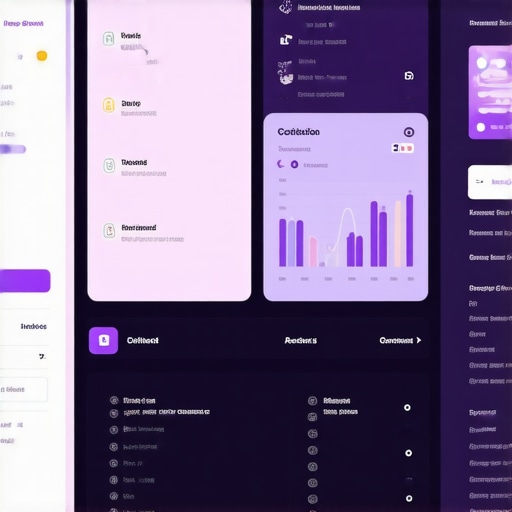
Suggested Image Prompt: A digital dashboard displaying local citation audit data and rank tracking analytics, emphasizing ongoing maintenance efforts for Portland local SEO success.
Start integrating these tools into your routine today, and revisit your optimization strategies every quarter to keep your Portland business at the top of local search results. Want to deepen your knowledge? Check out this resource for expert insights on map tweaks that sustain long-term growth.
What Didn’t I See Coming About Portland SEO? Three Lightbulb Moments
One of the toughest lessons I learned was how small tweaks—like adjusting a keyword in my Google My Business description—can have outsized impacts. I used to think consistency alone was king, but I realized that relevance, especially hyper-local cues like neighborhood names, actually moved the needle more. Another surprise was discovering that Google’s AI prioritizes user engagement signals over just citation accuracy, meaning genuine reviews and photos can elevate your ranking faster than traditional SEO tactics. Lastly, I learned that over-optimizing or rushing updates can trigger penalties or ghost your profile, a mistake I avoided after a few painful setbacks. These insights redefined my approach and can do the same for you, too.
![Portland Map Pin Disappeared? 3 Quick Fixes That Work [2026]](https://portlandlocalseo.com/wp-content/uploads/2026/01/Portland-Map-Pin-Disappeared-3-Quick-Fixes-That-Work-2026.jpeg)