Last year, I remember sitting in my office, staring at my screen with a sinking feeling. My local Portland business rankings had plateaued, and despite all the effort I put into optimizing my Google My Business profile, nothing seemed to budge. Then, I experienced a frustrating drop in local traffic that made me realize something wasn’t aligning with the latest SEO trends. That moment was a real wake-up call, revealing just how quickly local search can shift—especially with the rise of AI-generated search results in 2026.
Why Portland SEO Needs a Game Plan for 2026
When I started digging deeper, I discovered that relying solely on traditional methods like citations and keyword stuffing was no longer enough. The landscape has evolved. Search engines now prioritize GMB optimization and local map rankings in ways we couldn’t have imagined five years ago. For local businesses in Portland, Oregon, this means adapting quickly is essential if you want to stay visible and attract new customers. According to recent studies, local searches that include ‘near me’ or related voice commands are surging, making it clear that your strategies need to be more innovative than ever.
Have you faced the challenge of your local ranking suddenly dropping without explanation? If so, you’re not alone. Many Portland entrepreneurs have wrestled with diminishing map visibility and declining calls, especially with the AI-driven search algorithms becoming more sophisticated. I’ve been there. Early on, I made the mistake of thinking that boosting backlinks was the magic bullet, only to realize that ignoring the nuances of Oregon maps or neglecting review management could sabotage my efforts.
Is Local SEO Still Worth the Hype?
Absolutely. Despite the hurdles, mastering local SEO—especially in a competitive market like Portland—is still the key to driving foot traffic and online leads. The question is: how do you do it effectively amidst AI’s rise? The answer lies in a combination of smart map optimization, review tactics, and staying ahead of algorithm updates. For instance, recent GMB tips for 2026 ranking reveal strategies that could make or break your visibility this year.
Trust me, I learned this the hard way. I once spent hours on irrelevant backlinks and overlooked such simple tweaks as claiming my map spot or updating my business info—costing me valuable leads. That early mistake helped me realize the importance of a comprehensive audit process. If you’re serious about fixing your local traffic issues now and conquering 2026, understanding these foundational elements is crucial. Ready to jump into the practical steps? Let’s begin.
Claim and Optimize Your Google My Business Profile
Start by claiming your GMB profile if you haven’t already. Ensure all your business information is accurate, consistent, and complete. Use a local Portland phone number, address, and categories relevant to your niche. Upload high-quality photos that showcase your storefront or products. Regularly post updates and offers to keep your profile active, as Google favors active listings in 2026. Remember, a well-optimized GMB profile acts as the foundation for local visibility and direct customer engagement.
Harness Oregon Map Optimization Tactics
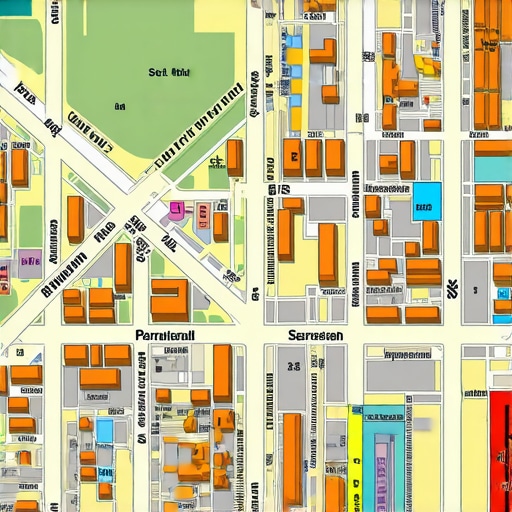
Understanding Oregon maps optimization is crucial to outranking competitors. Update your business’s location markings, especially if you serve multiple areas around Portland. Use precise geo-coordinates and create specific listings for different service areas or neighborhoods. Incorporate local landmarks and neighborhood names into your descriptions and keywords. Consistent NAP (Name, Address, Phone Number) across all directories signals credibility to search engines. For strategic insights, check out this guide on Oregon maps hack.
Focus on Reviews and Local Social Proof
Reviews influence local rankings and customer trust. Encourage satisfied clients to leave detailed reviews, especially emphasizing local keywords and specific services. Respond promptly to reviews, thanking customers and addressing concerns, as Google values engagement. Incorporate multimedia like photos and videos to enhance your profiles. To amplify your reach, consider leveraging local social proof strategies outlined in this article.
Implement Niche and Location-Based Content Strategies
Create content tailored to Portland’s neighborhoods and community interests. Blog posts, videos, or FAQs that address local challenges elevate your authority and relevance. Optimize each piece with local keywords, including neighborhood and landmark names. Use schema markup for local business data to improve SERP visibility. Regular, hyper-local content positions your business as a community staple, which Google recognizes in local search algorithms.
Utilize Voice Search and Hyper-Local Tactics
Voice searches are booming, often with local intent. Use natural language in your content and FAQs to match common voice queries like “best pizza near SW Portland.” Optimize your GMB Q&A section with answers to frequently asked questions, integrating local keywords. Explore this resource for specific voice search optimization tactics. These steps increase the chance your business will be featured in voice snippets and near-me searches.
Monitor and Adapt Regularly
Use tools like Google Search Console, GMB Insights, and third-party dashboards to track your rankings, reviews, and traffic. Conduct periodic audits focusing on Oregon maps and local signals, updating your listings, content, and reviews accordingly. Stay informed about algorithm updates through local SEO communities and audit techniques. Flexibility and continuous application of these core techniques are vital for long-term success in Portland’s dynamic local search landscape.Many local businesses in Portland fall prey to widespread misconceptions about Google My Business (GMB) and Portland SEO strategies. While it’s tempting to believe that optimizing for signals like reviews or backlinks alone guarantees dominance, the reality is far more nuanced. For instance, some assert that merely claiming your GMB profile is enough, but in my experience, ongoing optimization and engagement are crucial for maintaining visibility, especially as the AI-driven algorithms evolve in 2026. This misconception can lead to complacency, which is a costly mistake; consistent updates, like post activity and review responses, actually drive better local ranking results and help prevent your profile from becoming static and ineffective. Additionally, many think Oregon maps optimization is just about keyword stuffing in descriptions. However, recent studies reveal that precise geo-coordinates, optimized service areas, and leveraging local landmarks truly enhance rankings—something often overlooked in basic approaches. One of the biggest traps is over-reliance on backlinks or citations, underestimating the importance of NAP (Name, Address, Phone Number) consistency across all directories, which search engines use as a credibility signal. Not doing this meticulously can cause your listings to become inconsistent or even penalized.
Beyond these myths, a critical advanced nuance is understanding how AI search shifts impact local rankings. Google’s algorithms now prioritize real user engagement and contextual relevance over traditional ranking factors, which means your focus should be on creating hyper-local content tailored to Portland neighborhoods and their unique communities. This approach not only helps with voice search queries but also builds genuine trust and authority in your local niche.
For those who want to dig deeper into exactly how to avoid these pitfalls, I recommend reviewing comprehensive guides like mastering Oregon maps optimization or unlocking GMB power. Remember, complacency in local SEO is a trap—staying updated and nuanced is the key to sustained success.
Have you ever fallen into this trap? Let me know in the comments.
To keep your Portland business rankings climbing, leveraging the right tools and systems is paramount. I personally rely on a combination of specialized software and disciplined workflows to ensure my SEO efforts remain effective over time. One indispensable tool I’ve found in recent years is SEMrush. Not only does it provide comprehensive keyword tracking, but its position tracking for local searches allows me to monitor Portland-specific rankings daily, helping me identify and respond to ranking fluctuations swiftly.
Another essential is Google Search Console. I use it constantly to spot crawl errors or indexing issues that might hinder my Oregon maps optimization efforts. By regularly reviewing this data, I can catch and fix issues before they impact my rankings. Additionally, integrating local map optimization expertise into my routine ensures I stay aligned with the latest best practices.
For ongoing content updates and managing online reviews, tools like Brand24 help me monitor local brand mentions and customer feedback seamlessly, allowing me to engage promptly—an increasingly critical factor for SEO in 2026. Staying organized with a project management platform like Asana helps me schedule and prioritize these activities systematically.
How do I maintain SEO efforts over time?
Consistency is key. I set regular audit schedules—monthly check-ins using these tools—to ensure my Portland-based SEO strategies adapt to evolving algorithms and user behavior. Moreover, I dedicate time weekly to analyze competitor activities and pinpoint opportunities for improvement. This proactive approach prevents stagnation and safeguards ongoing visibility. Predicting where SEO is headed, I believe AI-driven analytics will play an even bigger role, making it essential to adopt these tools now to stay ahead. Want to experiment with advancing your own strategy? I recommend trying out GMB ranking tips for 2026, especially optimizing your profile for AI interactions—it’s a game changer! By integrating these proven tools and habits, you’ll keep your Portland business at the top of local search results for years to come.
Lessons That Didn’t Make the Course Material
One of the most eye-opening moments was realizing how much I underestimated the power of consistent engagement on Google My Business. Initially, I believed that once optimized, profiles could run on autopilot, but regular updates and active review responses proved to be game-changers in maintaining top rankings. Another lesson was about local landmarks—integrating neighborhood-specific keywords in my content significantly boosted visibility, especially for voice search queries. I also learned that trusting standard SEO shortcuts without aligning with Oregon maps intricacies often leads to missed opportunities; tailoring my approach to specific Portland neighborhoods created a more authentic connection with local customers. Lastly, I discovered that staying ahead of AI search trends meant continuously testing new features and not being afraid to pivot strategies—adapting swiftly can turn initial setbacks into growth, showing that perseverance coupled with innovation is essential in a competitive Portland market.