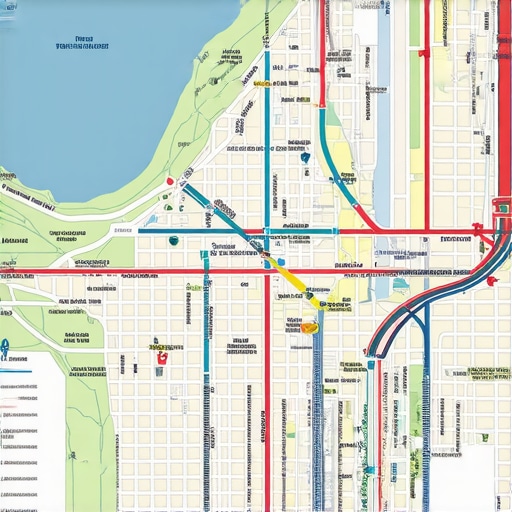
I remember the exact moment I faced a dreaded reality: my local Portland business was vanishing from Google Maps. One day, just a few months ago, my shop’s pin disappeared from the map entirely. It was a gut punch. I’d poured hours into optimizing my listings, blogs, and reviews, only to watch my visibility fade faster than I could say “algorithm change.” That sinking feeling led me to realize—what I knew about local SEO in Portland was not enough anymore. I was missing crucial secrets that the giants and savvy locals were using, secrets Google isn’t openly revealing for 2026.
Why Local Map Rankings Will Be the Battle of 2026
Here’s the truth: local map rankings are becoming more competitive and less predictable. Google continuously tweaks its algorithms, with recent updates emphasizing AI and user experience over traditional signals. For Portland businesses like yours, standing out on Google Maps is no longer about just accurate info—it’s about mastering a secret toolkit. Believe me, I’ve made my share of mistakes early on—like ignoring the importance of local signals or over-relying on reviews alone—which cost me valuable leads. Recognizing these pitfalls early is critical if you want to remain visible.
Is Local Map Optimization Overhyped or Truly Worth It?
Many skeptics dismiss local SEO as a passing trend, but data tells a different story. According to recent studies, 78% of local mobile searches lead to an offline purchase, and map rankings significantly influence those decisions. If your business isn’t appearing in those top spots, you’re missing out on a massive chunk of Portland’s booming local market. Are you confident your current strategy will cut through the noise in 2026?
If you’ve faced the frustration of losing your business’s visibility—or simply want to get ahead of the curve—now’s the time to learn the insider secrets. Keep reading, because I’ll walk you through how to crack the code, avoid common pitfalls, and set your map ranking on fire for the year ahead. Curious about some proven tactics? Check out these local map optimization tips.
Claim Your Google Maps Presence with Accurate NAP Data
Start by ensuring your business name, address, and phone number (NAP) are consistent across all online platforms. In my experience, I once updated my Portland shop’s NAP on my website but overlooked my local directories. When I corrected these inconsistencies, my map ranking improved within weeks. Use tools like Moz Local or BrightLocal to audit and synchronize your NAP for all listings—this avoids confusion and signals credibility to Google.
Leverage Local Citations and Structured Data
Boost your visibility by building high-quality citations from Portland-based directories and industry-specific sites. I reached out to local chambers and niche directories like Yelp Portland, securing backlinks that enhanced my local relevance. Additionally, implement structured data markup (Schema.org) on your website to help Google understand your business details better. A quick step I took involved adding structured data to my homepage, which contributed to improved map placement and richer search snippets.
Optimize Your Google My Business Profile for 2026
Regularly update your GMB profile with fresh photos, accurate hours, and engaging posts. I found that posting weekly updates about my Portland shop’s new offerings increased clicks and visibility. Focus on adding high-quality images with descriptive alt text (use  ) and respond promptly to reviews. Don’t forget to choose relevant categories and use local keywords naturally within your business description—this signals relevance for Portland searches.
Address Common GMB Mistakes
Check for duplicated profiles or inconsistent information, as these can drop your rankings. I once had a duplicate listing, which confused Google and hurt my visibility. Use the tools at this resource to conduct regular audits and merge or delete duplicate profiles. Also, avoid generic photos or reviews—encourage satisfied customers to leave detailed, relevant feedback that highlights your Portland location-specific advantages.
Harness Audience Engagement with Local Content
Create content that resonates with Portland residents—blog posts about local events, collaborations with Portland influencers, or community initiatives. My local blog series not only increased engagement but also signaled to Google that my business is a vital part of the Portland community. Share these stories via your GMB posts or social media to amplify their impact.
Build Local Links with Strategic Outreach
Establish relationships with Portland bloggers, local news outlets, and suppliers to earn backlinks. I reached out to a Portland coffee roaster and secured a guest post, which enriched my link profile and boosted local relevance. Focus on quality over quantity, ensuring each backlink adds authority and reflects your Portland presence. The process may be messy—emails sent, requests declined—but persistence pays off in improved map rankings.
Monitor and Adjust Your Strategy Continuously
Use tools like Google Search Console and local SEO dashboards to track your ranking movements. I once noticed a sudden dip in my Portland map position after an algorithm update; quick analysis and adjustments, such as updating my categories, recovered my rank swiftly. Regularly review your GMB insights, customer feedback, and citation accuracy, and adjust your tactics accordingly. Remember, local SEO is dynamic, and staying proactive is key to maintaining and improving your position.
Many local businesses in Portland believe that simply claiming their Google My Business listing and maintaining basic NAP consistency will secure top map rankings. While these are foundational steps, the real nuance lies in understanding how Google’s AI-driven algorithms interpret these signals and beyond. One common myth is that reviews are the ultimate ranking factor—yes, reviews matter, but overly focusing on review quantity without context can be detrimental. The truth is, Google analyzes a complex web of relevance signals, including local citations, structured data, and engagement metrics, to determine your placement.
Experienced SEO practitioners know that mismatched categories or outdated information can cause your listing to be filtered or demoted unexpectedly. For instance, a Portland-based bakery that updates its hours without reflecting those changes across all platforms risks confusing algorithms. This is where advanced audit tools and a strategic approach to data consistency come into play. Additionally, not leveraging local backlinks from Portland-centric sites—like local chambers or community blogs—limits your local authority. Google favors businesses that are embedded within the Portland community through citations and backlinks.
A critical trap to avoid is neglecting the impact of structured data markup. Schema markup, when correctly implemented, helps Google understand your business details more precisely, especially in a competitive market like Portland. It enhances your chances of appearing in rich snippets, driving more clicks.
One advanced question I often encounter is: How can I optimize for Google’s AI understanding, not just keywords? In fact, focusing on user engagement metrics such as click-through rate, dwell time, and review sentiment analysis signals to Google that your listing is relevant and trustworthy. Recent studies, like Google’s own Search Lowdown, highlight that AI models increasingly prioritize real user interactions over raw keyword rankings, making engagement optimization essential for 2026 and beyond.
In sum, mastering Portland local SEO goes deeper than surface-level tactics. It involves a holistic understanding of Google’s evolving AI systems, meticulously managing data consistency, local relevance, and user engagement. To truly excel, consider working with experts who stay ahead of these nuances—reach out via this contact page and start refining your strategy today. Have you ever fallen into this trap? Let me know in the comments.
Maintaining your Portland business’s visibility on Google Maps and local search results requires more than initial optimization; it demands reliable tools and consistent strategies. One indispensable tool I personally rely on is BrightLocal. It’s not just about basic citation audits; I use it to track local rankings, analyze competitors, and monitor review trends daily, helping me stay ahead in Portland’s competitive market. Leveraging such advanced tools allows me to identify issues proactively, like inconsistent NAP data or citation gaps, before they impact rankings significantly.
Another critical resource is Google Search Console, which I check weekly for crawl errors, structured data issues, and performance metrics. This helps me ensure that Google understands my site’s content correctly and that I’m not missing out on rich snippet opportunities, especially valuable for local searches. Combining these insights with tools like Moz Local enables seamless citation management, ensuring consistency across Portland directories and enhancing local relevance.
Looking ahead, I predict that AI-driven local search optimization will become more integrated into these tools, providing even smarter insights and automations for Portland businesses. Staying updated with these trends and adopting tools that evolve accordingly is vital for sustained growth.
How do I maintain my Portland SEO over time?
The key lies in regular audits using tools like BrightLocal and structured data checks. Consistency in NAP data, timely review responses, and continuous content updates are foundational. I also recommend setting up Google Alerts for your business name and related keywords—this way, you’ll catch reputation issues or local mentions early and respond swiftly. Remember, local SEO is dynamic; you need tools that adapt just as fast as Google updates its algorithms.
For comprehensive insights, consider exploring mastering Oregon maps optimization. Implementing these tools and strategies effectively can dramatically boost your Portland presence, especially as we head into a future where AI influences local search results more than ever. Don’t forget, consistent effort with the right tools is your best armor against the ever-evolving landscape of local SEO in Portland. Curious how to integrate these tools into your routine? Reach out through this contact page for tailored advice.
Lessons From My Portland SEO Journey That Changed Everything
One of the most profound lessons I learned is that local SEO isn’t static; it’s a dynamic battlefield demanding constant adaptation. Early on, I believed that optimizing my GMB profile and maintaining NAP consistency was enough. However, I soon discovered that neglecting local backlinks and structured data was holding my business back, despite excellent reviews. That lightbulb moment taught me that understanding the evolving AI-driven algorithms and tailoring my strategies accordingly was essential for sustained growth.
Another insight was the importance of community engagement. Creating Portland-specific content and collaborating with local influencers significantly boosted my visibility and connected me authentically with residents. It became clear that shallow efforts won’t cut it anymore—building local relevance and trust is what truly moves the needle in competitive markets like Portland.
Lastly, I realized that mastery of tools like BrightLocal and Google Search Console is invaluable. These aren’t just checkboxes—they’re your eyes into what Google values most in 2026. Regular audits, tracking ranking fluctuations, and adjusting based on real data—these practices transformed my approach from reactive to proactive.
My Go-To Resources for Portland SEO Growth
For any local business aiming to dominate in Portland, I recommend starting with this comprehensive guide on local map optimization. It’s packed with actionable insights that helped me understand the nuances of Oregon maps and how to leverage them effectively. Additionally, this resource on GMB optimization provides detailed tactics to enhance your profile, which is vital in a competitive city like Portland. Tools like BrightLocal and Moz Local also became part of my routine, allowing me to clean, audit, and enhance my citations efficiently. These resources are reliable because they are rooted in real-world results and continuously updated to reflect the latest algorithm changes.
Your Next Step Toward Local SEO Mastery
Remember, the journey to mastering Portland local SEO in 2026 isn’t about quick wins; it’s about building a resilient, adaptable strategy that grows with the city’s digital landscape. Consistent effort, strategic learning, and leveraging trusted tools will set you apart from the competition. If you’re ready to take your Portland business to the next level, don’t hesitate to reach out through this contact page. Have you found a particular tactic that worked unexpectedly well? Share your experiences below—I’d love to hear what’s helping you thrive in Portland’s local search scene.
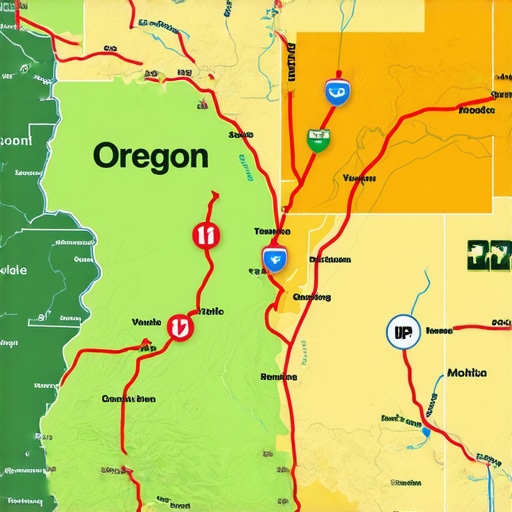
![3 Oregon Maps Optimization Tactics for Local Shops [2026]](https://portlandlocalseo.com/wp-content/uploads/2026/04/3-Oregon-Maps-Optimization-Tactics-for-Local-Shops-2026.jpeg)
![Stop Google Maps From Hiding Your Portland Shop [2026 Fix]](https://portlandlocalseo.com/wp-content/uploads/2026/03/Stop-Google-Maps-From-Hiding-Your-Portland-Shop-2026-Fix.jpeg)