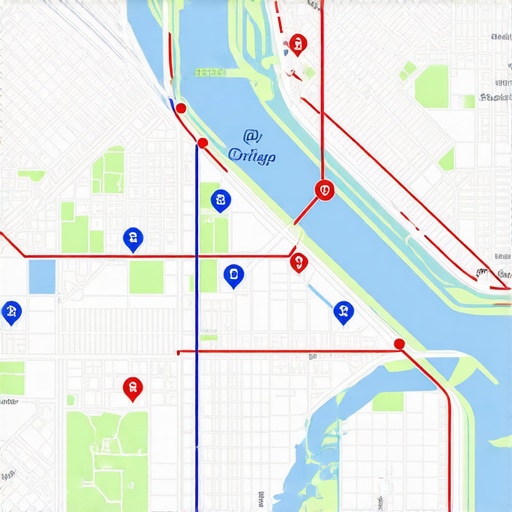
I remember the exact moment I realized I was failing to get my Portland business noticed online. I had invested countless hours in SEO, social media, and content creation, yet my local rankings stubbornly stayed low. It was frustrating. Then I stumbled upon a simple but powerful insight: Oregon Maps Optimization could be my game-changer. That lightbulb moment changed everything. If you’ve ever felt like your business is invisible in Portland’s crowded market, you’re not alone. Today, I want to share how optimizing your Oregon Maps can transform your local visibility and drive real growth in 2024.
Why Local Map Optimization Is the Key to Portland’s Business Success
Portland’s vibrant and competitive landscape demands more than just a good product or service. Your potential customers are searching for local businesses like yours—on Google Maps, Google Search, and other directories. If your business isn’t appearing prominently when they search, you’re losing out on a steady stream of local traffic. According to recent research, over 60% of mobile searches have local intent, meaning people are looking for products or services nearby—and they’re ready to buy. Missing out on this traffic is like leaving cash on the table. That’s why Oregon Maps Optimization is no longer optional; it’s essential for Portland businesses aiming to thrive in 2024.
Is Investing in Maps Optimization Actually Worth It?
Early in my journey, I made a costly mistake. I thought simply claiming my Google My Business (GMB) listing was enough. I didn’t realize the importance of consistently updating my information, adding photos, and engaging with reviews. That oversight cost me valuable visibility. The truth is, many business owners overlook the nuances of local map SEO, and that’s a mistake. Proper optimization isn’t a one-and-done task—it’s an ongoing process that pays off by boosting your local rankings and attracting more customers. If you’re skeptical, I get it. But the proof is in the results. Better Oregon Maps Optimization can elevate your visibility, outshine competitors, and bring in more local customers—just like it did for me. Curious how to get started? Let’s dive into the practical steps that make a real difference.
Claim and Verify Your Google My Business Listing
Start by claiming your Google My Business (GMB) profile if you haven’t already. This process is like staking your claim on a piece of digital real estate. Once verified, ensure that all your information—name, address, phone number—matches your website and other directories exactly. I remember a time I overlooked a typo in my address, which caused my listing to get buried in local searches. Fixing it improved my visibility almost overnight. For a comprehensive guide, visit this resource to understand why consistent NAP (Name, Address, Phone) data is vital.
Optimize Your Business Information for Local Relevance
Write a Clear, Keyword-Rich Description
Your business description should be concise, accurate, and sprinkled with relevant keywords like “Portland coffee shop” or “Oregon landscaping services.” This signals to Google what your business is about and helps it match local searches. I once added vague descriptions, and my rankings stagnated. After rewriting my profile with targeted keywords, I noticed a noticeable jump in local visibility. Check out this guide for crafting effective descriptions.
Upload High-Quality Photos Regularly
Photos are your virtual storefront. Upload clear, professional images of your products, services, and storefront. I made the mistake of uploading outdated photos, which confused potential customers. After a photos refresh, I saw increased engagement and calls. Photos also influence your ranking; Google favors active, well-presented profiles. Use natural lighting and showcase your unique selling points.
Engage With Customer Reviews Effectively
Reviews are social proof and a ranking factor. Respond promptly to all reviews—thank positive ones, address negatives professionally. I once ignored a negative review, which hurt my reputation. When I responded sincerely and offered solutions, my ratings improved, and I gained new customers through improved trust. Encourage happy customers to leave reviews by politely asking after successful transactions. For strategies on review management, see this article.
Use Local Keywords in Your Posts and Services
Incorporate Portland-specific terms into your website content, service descriptions, and posts. For example, mention neighborhood names, local events, or landmarks. I once added a blog post about a Portland street fair, which attracted local traffic searching for related services. This technique boosts relevance and helps Google connect your business to local queries. For detailed keyword strategies, refer to this resource.
Build Local Citations and Backlinks
Ensure your business is listed accurately across local directories like Yelp, Bing Places, and industry-specific sites. These citations strengthen your local SEO signals. I found that consistent NAP data across platforms increased my local rankings. Additionally, earning backlinks from reputable Portland blogs or industry sites can boost your authority. Reach out to local influencers or partner businesses for backlink opportunities. For more on citation building, visit this guide.
Monitor and Adjust Your Strategy Regularly
Use tools like Google Search Console and Google My Business Insights to track your performance. I check my metrics weekly, adjusting keywords and photos based on what drives traffic. Local SEO is an ongoing process—what worked last year may need tweaking today. Staying proactive ensures your business remains visible amidst Portland’s competitive market. For advanced tips, see this article.
Many Portland business owners fall into the trap of believing popular myths about Oregon Maps Optimization, which can seriously hamper their local SEO efforts. Let’s dig deeper into the misconceptions that are costing you potential customers and how to avoid them. First, a widespread belief is that claiming your Google My Business (GMB) listing is enough. In reality, ongoing optimization—including managing reviews, updating photos, and refining your info—is essential for sustained visibility. Simply claiming your listing without continuous effort is a quick way to fall behind competitors who actively engage with their profiles. For a comprehensive approach, check out this resource.
Another myth is that keyword stuffing in your profile or posts boosts rankings. In fact, overusing keywords can trigger penalties or make your profile look spammy, reducing trust with both Google and potential customers. Instead, focus on natural, relevant keywords woven seamlessly into your descriptions and posts. Advanced SEO strategies recommend prioritizing quality content over keyword density, as supported by recent studies from Portland SEO experts.
Now, here’s a trap that’s easy to fall into: neglecting the importance of local citations and backlinks. Many think these are optional or only relevant for larger companies. In reality, consistent NAP (Name, Address, Phone) data across directories and backlinks from reputable Portland sites significantly boost your local search rankings. Don’t overlook the power of community engagement; earning backlinks from local blogs or partnering with other Portland businesses can give your profile a meaningful boost. For more details, you can explore this guide.
What do advanced local SEO experts know that most business owners don’t?
They understand that local SEO is a dynamic, multi-layered process. For example, optimizing for voice search, which is rapidly growing, requires understanding natural language queries specific to Portland. Additionally, leveraging Google’s local algorithms involves more than just rankings; it’s about creating a community presence, engaging with reviews, and adapting to algorithm updates in real-time. According to a recent report from Moz, staying ahead in local SEO requires continuous learning and adaptation—something many overlook. If you want to master these nuances, consider exploring this advanced guide.
Have you ever fallen into this trap? Let me know in the comments and share your experiences with local SEO myths that misled you. Remember, the key to success is understanding the true complexity behind Oregon Maps Optimization and staying proactive in your strategy.
How do I keep my Oregon Maps optimization working over time?
Once you’ve established a solid foundation for your local SEO through Oregon Maps Optimization, the real challenge is maintaining and refining your efforts to ensure sustained visibility. Regularly updating your Google My Business profile, monitoring your competitors, and adjusting your keywords are crucial steps. I personally use Google Search Console and Google My Business Insights to track performance and identify areas for improvement. These tools help me spot trends, such as which keywords are driving traffic or when my reviews dip, so I can respond promptly and keep my profile fresh.
Another key part of maintenance is consistency. Ensuring your NAP data (Name, Address, Phone number) remains uniform across all listings is vital. I use a dedicated local SEO management platform to audit my citations regularly, catching any discrepancies before they impact my rankings. Additionally, I schedule monthly review responses and photo updates to keep my profile engaging and trustworthy.
Looking ahead, I believe local SEO is heading toward greater automation and integration with voice search technology. As voice assistants become more popular in Portland homes, optimizing for natural language queries will be essential. This means refining your content to answer common questions and incorporating local landmarks or neighborhood references naturally into your descriptions. Staying ahead means embracing these trends early, and tools like this guide can help you adapt your strategy effectively.
Finally, I recommend setting up alerts for any reviews or profile changes. This way, you’re immediately notified of new customer feedback or potential issues. Consistent, proactive management is the secret to keeping your Oregon Maps Optimization working for your Portland business long-term. If you want to explore more advanced tactics, check out this resource for future-proof strategies.
The Hardest Lesson I Learned About Local SEO in Portland
One of my biggest realizations was that claiming my Google My Business profile was just the starting point. Continuous effort—like updating photos, managing reviews, and refining keywords—is what truly drives visibility. Without ongoing engagement, your listing can slip behind competitors who stay active. This was a game-changer for me, and it’s a lesson I wish I had embraced from the start.
3 Myths About Oregon Maps Optimization That Held Me Back
First, I believed that once I optimized my profile, I could relax. The truth is, local SEO is a living process. Second, I thought keyword stuffing would rank me higher—big mistake! Finally, I assumed citations didn’t matter for small Portland businesses. Clearing up these misconceptions made all the difference in my growth and visibility.
What Experts Won’t Tell You About Portland’s Local SEO Secrets
Top local SEO specialists understand that Portland’s unique neighborhoods and community engagement significantly impact rankings. They leverage local landmarks, participate in community events, and optimize for voice search in natural language. These subtle but powerful tactics distinguish the successful from the forgotten.
Where to Go from Here
If you’re serious about boosting your Portland business, start by mastering Oregon Maps Optimization today. Dive into cornerstone content like this comprehensive guide to see how ongoing efforts can give you a competitive edge. Remember, local SEO isn’t a one-time fix—it’s a continual journey that rewards persistence and smart strategies.
Your Turn to Make a Difference
Are you currently overlooking any local SEO opportunities in your Portland business? Share your experiences below, and let’s learn from each other’s successes and mistakes!

![Stop Your Oregon Google Maps Pin From Vanishing [2026 Fixes]](https://portlandlocalseo.com/wp-content/uploads/2026/01/Stop-Your-Oregon-Google-Maps-Pin-From-Vanishing-2026-Fixes.jpeg)
Reading this post really hit home for me. I’ve been struggling to get my Portland-based coffee shop noticed on local maps despite investing in social media and website SEO. The insight about Oregon Maps Optimization being a game-changer resonates because I overlooked the importance of regularly updating my Google My Business profile and engaging with reviews. Since implementing a more active approach—posting photos, responding promptly to reviews, and refining my business info—I’ve seen a noticeable uptick in local traffic and calls. It makes me wonder, how does everyone here balance maintaining their map profiles with daily operations? Do you schedule dedicated time for SEO management or handle it as you go? Also, I’d love to hear others’ experiences with voice search optimization—are Portland-specific keywords really making a difference? Thanks for sharing such practical tips; it’s motivated me to get more serious about this aspect of local marketing.
This post really resonates with me because I’ve seen firsthand how Oregon Maps Optimization can drastically boost local visibility, especially in a competitive market like Portland. I used to overlook the importance of regular updates and engaging with reviews on my GMB profile, but once I started actively managing these elements, the results were noticeable—more calls, more visits, and higher rankings. My biggest challenge now is balancing all these tasks with daily operations, as you mentioned, James. I find that scheduling specific times during the week for map profile updates and review responses helps keep things manageable. Also, I’ve experimented with voice search optimization by incorporating natural language keywords related to Portland landmarks and neighborhoods, and I believe it’s making a difference. Has anyone here noticed a surge in local traffic after optimizing for voice search? Would love to hear your tips on maintaining consistency and staying ahead in Portland’s local SEO game.