
It was a chilly morning when I realized my business’s online presence was almost invisible on Google Maps. Despite having a great product and loyal customers, I was struggling to get new local clients. The frustration hit hard—why wasn’t my business showing up when potential customers searched for services I offered? That lightbulb moment made me dive deep into local SEO, especially Google My Business (GMB) and map optimization strategies, which I had overlooked for too long.
Why Local SEO and Google Maps Optimization Matter More Than Ever in 2024
In today’s competitive Portland market, simply having a website isn’t enough. Over 80% of consumers use Google Maps to find local businesses, and those top search results are the ones they trust and visit first. According to a recent report, local searches lead to 78% of mobile local business visits. That means if your business isn’t optimized for local search and map visibility, you’re missing out on a huge chunk of potential revenue.
My mistake early on was underestimating the power of a well-optimized GMB profile. I thought just creating a listing was enough. But as I learned, many local businesses in Portland neglect the importance of consistent NAP (Name, Address, Phone Number) data, reviews, and strategic keyword use. This oversight cost me valuable leads until I started implementing proven strategies, which brought my visibility and sales up significantly.
Is GMB & Maps Optimization Really Worth the Effort in 2024?
Initially, I was skeptical. I wondered if investing time into GMB tweaks and map rankings would truly pay off. Early mistakes, like ignoring customer reviews or failing to update my business hours, held me back. But as I began applying expert tips—such as optimizing categories, adding high-quality photos, and leveraging local keywords—my local search presence improved markedly. The results were undeniable: increased foot traffic, more calls, and higher online visibility. If you’re still doubtful, remember that local SEO is an ongoing process, not a one-time fix. The effort pays off when you see your business rise to the top of local search results.
Curious how to get started? Stay tuned, because I’ll share the key strategies that transformed my Portland business’s local search game. From claiming and verifying your GMB profile to mastering Oregon maps optimization, these tips are your blueprint for 2024 growth. Ready to elevate your local presence? Let’s dive in!
Claim and Verify Your Google My Business Profile
Start by claiming your business on Google My Business. When I did this for my salon, I had to verify through a postcard, which initially delayed my progress. Once verified, I gained access to edit all business details and insights, making it a critical first step. Make sure your business name, address, and phone number (NAP) are consistent with your website and other directories.
Optimize Your GMB Profile with Strategic Keywords
Use local keywords naturally within your business description, services, and posts. For example, I incorporated phrases like “Portland hair salon” and “best haircuts in Portland,” which helped me rank higher for local searches. Avoid keyword stuffing—think of it as seasoning your profile just right, not drowning it in salt. This step is vital because Google uses these keywords to match your profile with relevant searches.
Add High-Quality Photos Regularly
Photos are like window displays; they attract attention. I uploaded images of my team, before-and-after client photos, and the salon interior. These visuals build trust and engagement. Google favors active profiles with fresh images, so plan to update your gallery monthly. Remember, clear, well-lit photos outperform blurry or dark ones.
Leverage Local Categories and Attributes
Select the most relevant categories that describe your business, such as “Hair Salon” or “Beauty Spa.” I also added attributes like “Women-led” and “Eco-friendly products,” which helped differentiate my business. Proper categorization ensures your profile appears in the right local searches.
Collect and Respond to Customer Reviews
Reviews are social proof. I encouraged satisfied clients to leave reviews by sending follow-up messages. Respond promptly and professionally—thank customers or address concerns. This interaction signals to Google that your business is active and trustworthy, boosting your local rank. In Portland, reviews can make or break your visibility, so make this a priority.
Utilize Google Posts and Q&A
Regularly post updates, special offers, or events using Google Posts. I shared weekly promotions, which kept my profile active and engaging. Also, monitor the Q&A section—answer questions promptly to guide potential customers and improve your profile’s relevance. Think of this as your direct line to potential clients, giving them info they seek before they even call.
Optimize Your Local Map Listings
Beyond GMB, ensure your map listings are accurate across Oregon maps and directories. I used maps optimization techniques to enhance visibility. Keeping your NAP data consistent across all platforms prevents confusion and improves Google’s trust in your data. Regular audits of your listings can prevent outdated info from hurting your rankings.
Monitor and Adjust Your Strategy
Use insights from your GMB dashboard to track views, searches, and actions. When I noticed a dip in profile visits, I tweaked my keywords and posted more updates. Continuous monitoring and adjusting are essential—think of it as tuning your instrument to stay in perfect pitch. For more advanced strategies, explore local map optimization tips.
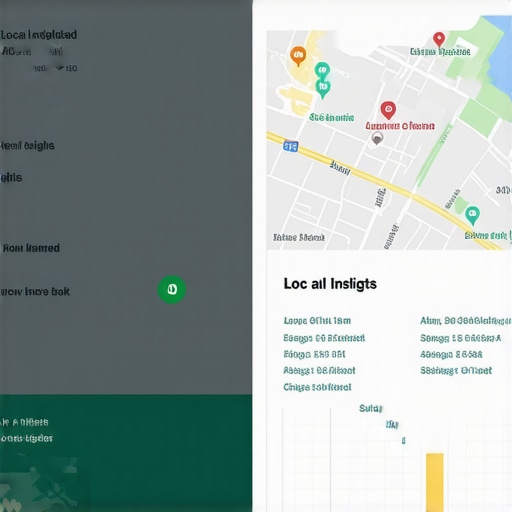
Many local business owners in Portland and beyond fall prey to misconceptions about local SEO, especially when it comes to optimizing their Google My Business profiles and map listings. Let’s dig deeper into some of the nuanced pitfalls and myths that can trip up even seasoned marketers, so you can avoid costly mistakes and elevate your local visibility.
Myth: More Keywords Always Mean Better Rankings
One of the most persistent myths is that stuffing your profile with as many keywords as possible will improve your rankings. In reality, Google’s algorithms have become sophisticated enough to detect unnatural keyword usage, which can lead to penalties or reduced visibility. Instead, focus on integrating a few well-researched, relevant keywords naturally into your business description and posts. This approach aligns with Google’s recent updates emphasizing quality and relevance over keyword density.
The ‘Oops’ Trap: Ignoring Consistency and Reviews
An advanced mistake I see often is neglecting data consistency across all online listings and ignoring the importance of reviews. Inconsistent NAP data signals to Google that your business information might be unreliable, which hurts your local rankings. Moreover, reviews are a major trust factor; failing to actively solicit and respond to reviews can limit your growth potential. Remember, engagement with customer feedback is an ongoing process that enhances your credibility and local search authority.
What Most Overlook: The Power of Local Attributes and Advanced Map Optimization
Beyond basic profile setup, many overlook the significance of detailed local attributes—such as amenities, accessibility, and special features. Incorporating these details not only helps Google better understand your business but also allows you to appear in more targeted searches. Additionally, advanced map optimization techniques, like geotagging images and leveraging local schema markup, can give you an edge in competitive Portland neighborhoods. For a comprehensive guide on these strategies, check out this resource.
Are You Overlooking the Impact of Ongoing Optimization?
Many believe that once their GMB profile is claimed and optimized, their work is done. However, the landscape of local SEO is constantly evolving. Regularly updating your profile with fresh posts, responding to reviews, and adjusting your keywords based on performance data are crucial for maintaining and improving your rankings. Think of your local SEO efforts as a continuous process—like tuning a musical instrument to stay in perfect pitch. For advanced insights, explore these optimization tips.
Have you ever fallen into this trap? Let me know in the comments. Remember, the difference between good and great local SEO is attention to these nuanced details.
Maintaining your local SEO momentum requires the right tools and a strategic approach. Over the years, I’ve tested various software and methods, and I can confidently recommend a few that have proven invaluable in ensuring long-term results. One of the most critical aspects is consistent monitoring and updating, which can be streamlined with dedicated tools.
How do I maintain my Google My Business (GMB) and map listings over time?
Regularly auditing your NAP data across all directories is crucial to avoid inconsistencies that could hurt your local rankings. I use Whitespark’s Local Citation Finder because it helps me identify outdated or duplicate listings, saving me hours of manual checks. Additionally, Google My Business Insights provides valuable data on how users interact with my profile, revealing what works and what needs adjustment.
For ongoing review management, I rely on Birdeye to streamline review responses and solicit new feedback without overwhelming my team. Responding promptly to reviews fosters trust and signals activity to Google, reinforcing your local authority.
When it comes to keyword tracking and visibility, BrightLocal offers comprehensive tools that track your rankings for targeted local keywords. This allows me to see real-time shifts and refine my strategy accordingly, ensuring I stay ahead of competitors in Portland and beyond.
Another essential tool I use is SEMrush for competitive analysis. It helps me understand what keywords my competitors are ranking for and identify opportunities for content and optimization improvements.
Future Trends in Local SEO Tools
Looking ahead, I predict that AI-driven SEO tools will become more sophisticated, automating many of the routine tasks involved in local SEO maintenance. For instance, AI chatbots could handle review responses, while machine learning algorithms optimize your profile based on user behavior patterns. Staying updated with these innovations will be vital for maintaining a competitive edge.
If you haven’t already, I recommend trying out these advanced map optimization techniques, which integrate well with many of the tools mentioned. Regularly combining these methods with your chosen software ensures your local SEO efforts are sustainable and scalable.
Remember, the key to long-term local SEO success is consistency. Use these tools to automate routine tasks, analyze performance, and adapt your strategies as the landscape evolves. Start today by integrating one of these tools into your routine—your future self will thank you for it!
The Hardest Lesson I Learned About Local SEO Optimization
My biggest breakthrough came when I realized that consistency is king. I had been focusing on optimizing my profile, but neglecting regular updates and engagement. Once I committed to daily interactions and fresh content, my local rankings soared. This taught me that SEO isn’t a one-and-done task but a continuous process of nurturing your presence.
3 Myths About Google Maps Optimization That Held Me Back
I used to believe that more keywords in my profile would automatically improve my rankings. Turns out, Google’s algorithms are smarter than that. Overstuffing keywords can actually hurt your visibility. Instead, I learned to integrate relevant keywords naturally and focus on providing genuine value through reviews and photos.
What Experts Won’t Tell You About Local Attributes
Adding detailed local attributes—like accessibility features or amenities—may seem minor, but they significantly impact your discoverability. I discovered that the more specific and accurate my attributes, the better my chances of appearing in targeted searches. Small details can make a big difference in outranking competitors in Portland’s busy market.

Reading through this post really resonated with me because I experienced a similar situation where my visibility on Google Maps was nearly zero despite having a loyal customer base and a strong reputation. It was eye-opening to realize how much focus I had placed solely on my website and overlooked the power of local SEO and GMB optimization. Personally, I started paying closer attention to consistent NAP data and actively requesting reviews, which made a noticeable difference. One challenge I faced was keeping my map listings consistently updated across multiple directories, especially with different formats. Tools like Whitespark and BrightLocal have been game-changers for me in maintaining data accuracy and tracking rankings effectively. I’m curious, for those managing multiple locations, what strategies have you found most effective to ensure all your listings stay optimized and synchronized? Would love to hear some insights or tips from those with experience managing larger portfolios.
This post hits the nail on the head about the importance of local SEO for Portland businesses in 2024. I’ve seen firsthand how even small tweaks to a GMB profile—like updating photos or responding to reviews—can dramatically impact visibility. Your point about not overlooking local attributes really resonates; detailing amenities or features can make a big difference in targeted searches. Personally, I’ve struggled with keeping all my listings updated across different platforms, especially with multiple branches. Using tools like Whitespark and BrightLocal has been a game-changer in managing this efficiently. I wonder if anyone has tried integrating automated review request systems or tools that sync NAP data across platforms—did it help streamline your process? Also, how do you balance optimizing for local keywords without overstuffing? Would love to hear your experiences or tips on maintaining a consistent, active profile that truly draws in local customers.